
Common Mistakes During Paver Installation
Learn the most common paver installation mistakes in Montreal and how to avoid shifting, settling, and drainage issues for long-lasting results.
PAVING STONE
2/18/20262 min read
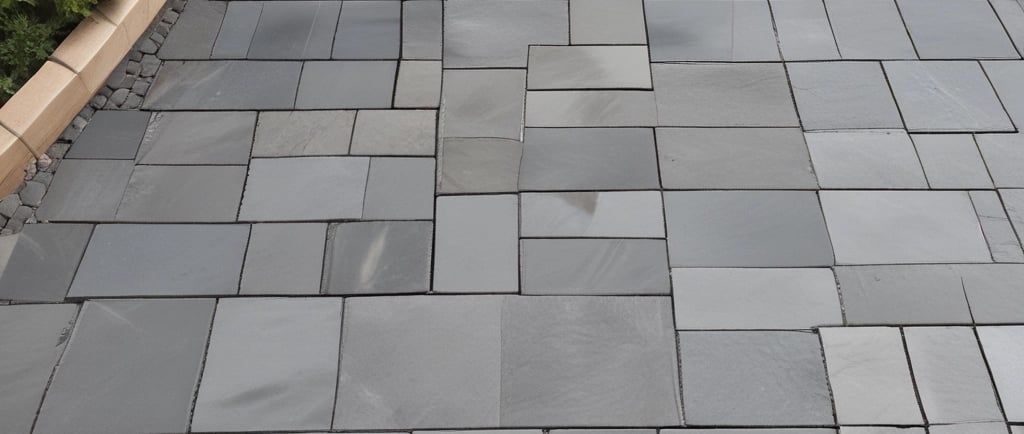
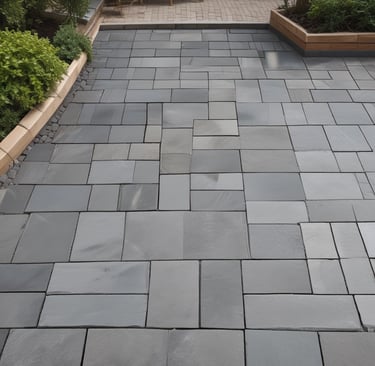
Common Mistakes During Paver Installation
Paver installation is an excellent choice for driveways, patios, and walkways. However, when certain steps are overlooked, pavers can quickly shift, sink, or deteriorate—especially in Montreal’s demanding climate.
Below are the most common mistakes during paver installation and how to avoid them to ensure a durable, long-lasting result.
1. Insufficient Excavation
One of the most common mistakes is not excavating deep enough. Shallow excavation leaves the natural soil supporting the weight of the pavers, which leads to movement after freeze-thaw cycles.
In Montreal, proper excavation is essential to:
remove unstable soil
create a solid base
prevent settling
Insufficient depth compromises durability from the very beginning.
2. Poorly Prepared Base
The base is the foundation of a successful paver installation. A crushed stone base that is too thin or improperly compacted is a frequent cause of unstable pavers.
Common errors include:
low-quality crushed stone
insufficient compaction
installing the base in a single layer instead of multiple compacted layers
A poorly prepared base almost always leads to premature repairs.
3. Missing Geotextile Fabric
Geotextile fabric prevents the natural soil from mixing with the base material. Without it:
the base deteriorates over time
drainage is compromised
pavers lose stability
This step is often ignored but is critical for long-term performance.
4. Poor Drainage Management
Inadequate drainage allows water to collect beneath the pavers. During winter, this water freezes, lifts the surface, and causes settling once it thaws.
Common drainage issues include:
insufficient slope
surfaces that are too flat
lack of water-flow planning
Proper drainage is essential to prevent seasonal movement.
5. Using the Wrong Joint Sand
Joint material plays a major role in paver stability. Using regular sand instead of polymeric sand can cause:
joints to wash out
individual pavers to shift
weed growth between pavers
Properly installed polymeric sand helps lock the entire surface together.
6. Skipping Final Compaction
Even with a solid base, improper final compaction can compromise the installation. This step is necessary to:
stabilize the pavers
fully lock the joints
level the surface
Skipping or rushing this step increases the risk of short-term movement.
7. Underestimating the Impact of Snow Removal
In Montreal, pavers are subjected to vehicle weight, snow blowers, and sometimes snowplow blades. If the installation is not designed for these conditions, surfaces can deteriorate faster.
A professional installation accounts for:
intended use
traffic type
repeated winter loads
How to Avoid These Mistakes
The best way to prevent these issues is to:
properly plan excavation
use high-quality materials
follow proven installation methods
hire experienced professionals
A properly installed paver surface remains stable, safe, and visually appealing for many years.
Conclusion
Paver problems are rarely caused by the material itself. In most cases, they result from installation mistakes. By avoiding these common errors and using methods suited to Montreal’s climate, homeowners can achieve a durable and reliable outdoor surface.
If you are planning a paver project in Montreal or the West Island, Paysagement Stoneway can provide professional installation adapted to local conditions.
Contact us today for a free estimate and expert advice tailored to your property.
Transforming your outdoor spaces with expertise.
© 2026. All rights reserved.


Montréal, QC