
How to Prevent Interlocking Pavers from Shifting After Winter
Learn how to prevent interlocking pavers from shifting after winter in Montreal. Proper excavation, drainage, and installation techniques explained.
PAVING STONE
3/11/20261 min read
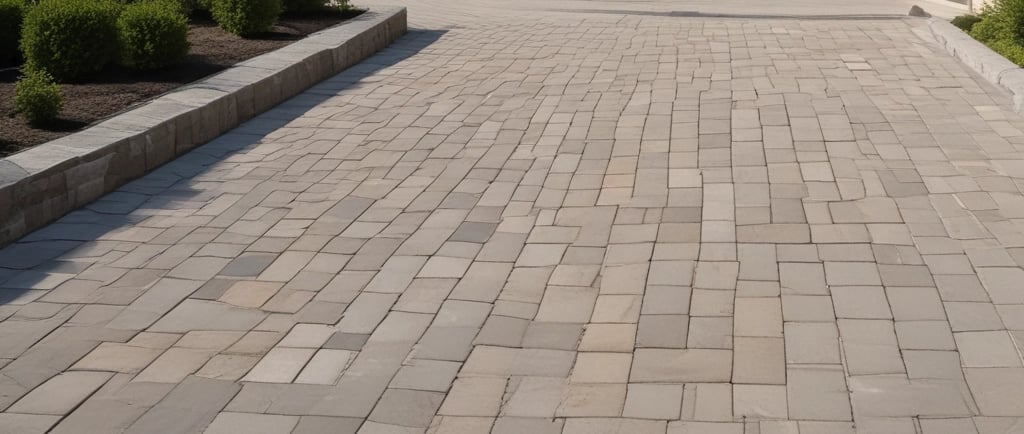
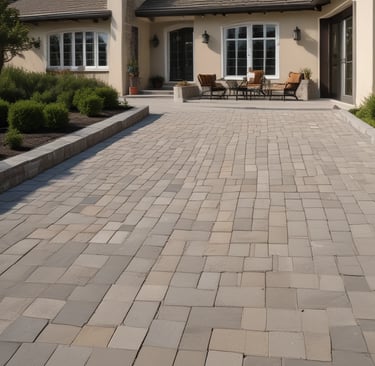
How to Prevent Interlocking Pavers from Shifting After Winter
Prevention starts long before winter—during the installation phase.
1. Proper Excavation
Adequate excavation depth is essential to remove unstable soil and create a durable base. The required depth must be adjusted based on the intended use (driveway, patio, or walkway) and local soil conditions.
2. A Solid, Well-Compacted Base
A foundation made of high-quality crushed stone, installed in layers and properly compacted, helps distribute loads evenly and limits movement caused by freeze-thaw cycles.
3. Use of a Geotextile Membrane
A geotextile membrane prevents the natural soil from mixing with the foundation material, improving long-term stability and drainage.
4. Effective Drainage
Proper drainage allows water to evacuate quickly, reducing the risk of frost heave. Surface slope and water runoff must always be planned before installation.
5. Properly Installed Joints
Polymeric sand, thoroughly swept into the joints and properly compacted, locks the pavers in place and prevents individual movement. A final compaction is essential to secure the entire surface.
Can Shifted Pavers Be Repaired?
Yes. One of the major advantages of interlocking pavers is that they can be repaired without rebuilding the entire surface.
A professional repair typically involves:
Removing the affected pavers
Correcting the base if necessary
Re-leveling the pavers
Reinstalling the joint sand properly
However, if the issue is widespread, it often indicates an improper initial installation.
Why Hire Professionals in Montreal
Montreal’s climate requires a precise, well-adapted approach. Successful paver installation depends on:
A strong understanding of local soil conditions
Effective water management
Careful execution at every stage
When installed correctly, pavers remain stable and visually appealing for many years—even after harsh winters.
Conclusion
Pavers that shift after winter are not a coincidence. In most cases, the issue is related to the base, drainage, or installation method. Making the right decisions from the start helps prevent these problems and ensures a durable outdoor surface.
If you are planning a paver project in Montreal or the West Island, Stoneway Landscaping can support you with a professional approach tailored to local conditions.
Contact us today for a free quote and expert advice suited to your property.
Transforming your outdoor spaces with expertise.
© 2026. All rights reserved.


Montréal, QC