
Types of Retaining Walls for Sloped Properties
Explore the different types of retaining walls for sloped properties and learn how to choose the right solution for stability and drainage.
RETAINING WALLS
3/4/20261 min read
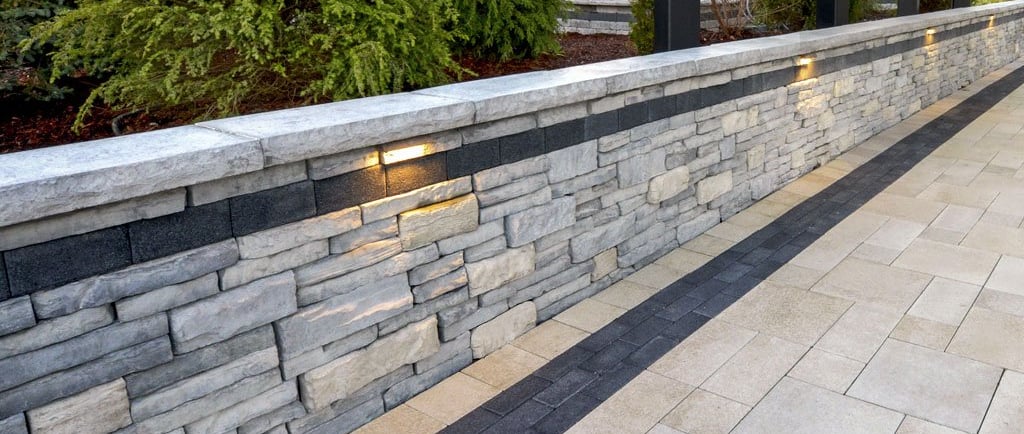
Types of Retaining Walls for Sloped Properties
Sloped properties present unique challenges when it comes to landscaping and land stability. Retaining walls play a critical role in controlling soil movement, preventing erosion, and creating usable outdoor spaces on uneven terrain.
Understanding the different types of retaining walls for sloped properties helps homeowners choose the right solution based on function, aesthetics, and site conditions.
Gravity Retaining Walls
Gravity retaining walls rely on their own weight to hold back soil. They are typically built using heavy materials such as concrete blocks or natural stone.
Best for:
small to moderate slopes
shorter wall heights
residential landscaping projects
Segmental Retaining Walls
Segmental retaining walls are made of interlocking concrete blocks designed for strength and flexibility. They are one of the most common solutions for residential properties.
Best for:
sloped yards
tiered landscaping designs
long-lasting performance with proper drainage
Reinforced Retaining Walls
Reinforced retaining walls use additional support such as geogrid reinforcement extending into the soil behind the wall. This system provides extra strength for taller or more demanding applications.
Best for:
steeper slopes
higher walls
areas with significant soil pressure
Natural Stone Retaining Walls
Natural stone retaining walls combine structural support with a high-end, natural appearance. They require skilled installation to ensure stability.
Best for:
decorative landscapes
garden terraces
properties where aesthetics are a priority
Timber Retaining Walls
Timber retaining walls use treated wood to retain soil. While they can be visually appealing, they generally have a shorter lifespan compared to stone or concrete.
Best for:
small projects
temporary solutions
low-height retaining walls
Choosing the Right Retaining Wall for Your Property
Selecting the right retaining wall depends on:
slope steepness
soil conditions
drainage requirements
wall height
desired appearance
Professional evaluation ensures the wall performs safely and effectively over time.
Conclusion
Retaining walls are essential for stabilizing sloped properties and maximizing usable outdoor space. Choosing the correct type of retaining wall ensures durability, safety, and long-term performance—especially in Montreal’s climate.
For expert guidance and professional installation, Paysagement Stoneway offers retaining wall solutions adapted to sloped properties throughout Montreal and the West Island.
Contact us today for a free estimate and personalized advice.
Transforming your outdoor spaces with expertise.
© 2026. All rights reserved.


Montréal, QC